Earth Day Seed Bombs
How to Make Earth Day Seed Bombs with Kids (Step-by-Step)
Seed bombs are one of the best Earth Day activities you can do with kids. They are messy, hands-on, and genuinely exciting because the fun doesn’t stop when the crafting does. Toss them in the garden and wait for wildflowers to show up weeks later. That’s a pretty great payoff for an afternoon of squishing clay.
Whether you’re planning a classroom activity, a backyard Earth Day celebration, or just looking for something different to do on a spring afternoon, seed bombs deliver. They take less than an hour to make, the ingredients are simple, and kids of almost any age can get involved. Think of them as the gardening activity that actually feels like a game.
Here’s everything you need to know to make seed bombs with kids, including two easy methods, tips for making them in a group, and ideas for turning them into the cutest little Earth Day gifts around. Let’s get into it.
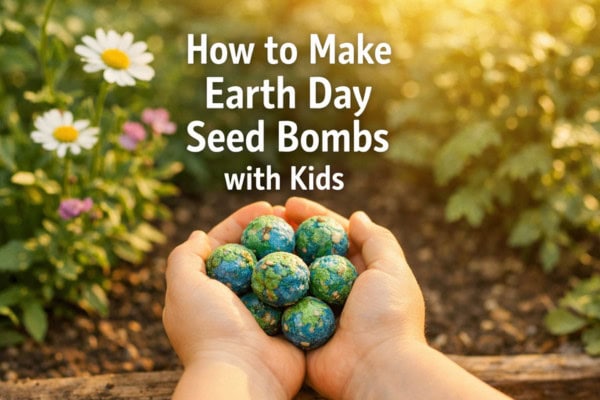
What Are Earth Day Seed Bombs?
A seed bomb is a small ball made from natural materials like clay, compost, or paper pulp packed with wildflower seeds. You throw them onto bare patches of earth, and after a little rain and sunshine, the seeds germinate and grow. No digging. No planting tools. Just toss and wait.
The concept has been around since the 1970s and is rooted in guerrilla gardening, the idea of growing things in neglected or unused outdoor spaces to bring a little color and life back to them. For Earth Day, they’re a perfect fit because kids aren’t just making something cute, they’re actually doing something good for the environment. Wildflowers support bees, butterflies, and other pollinators, so every seed bomb tossed is a tiny win for the planet.
What You Need to Make Seed Bombs
There are two popular methods for making seed bombs: the clay and compost method and the paper pulp method. Both work well with kids. The clay method produces rounder, firmer bombs that dry faster. The paper pulp method is great for using recycled materials and is a little softer and squishier to work with.
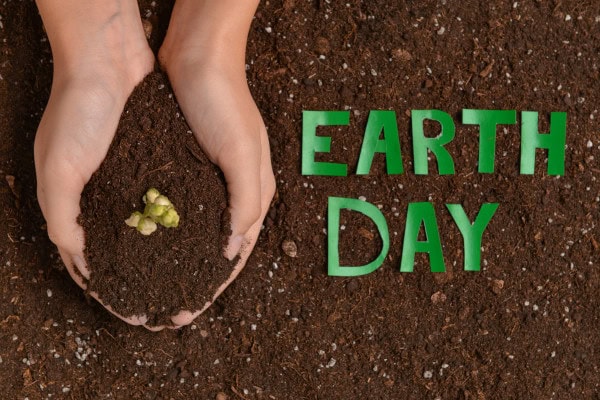
Clay and Compost Method
This is the classic seed bomb recipe. You’ll need air dry clay or red clay powder, peat-free compost or potting soil, wildflower seeds, and a little water. Mix four parts clay to one part compost, add your seeds, and work in water a little at a time until it holds together like thick cookie dough. Roll into balls and set aside to dry. That’s really it.
Paper Pulp Method
This version uses recycled paper, which makes it a great fit for an Earth Day activity. Tear construction paper or newspaper into small pieces, soak it in water for 15 to 20 minutes, then squeeze out the excess and mash it into a pulp. Mix in potting soil and a generous pinch of wildflower seeds, roll into balls, and leave to dry on a parchment-lined tray. The paper pulp method takes a little longer to dry fully, usually 24 to 48 hours, but the process is wonderfully tactile for kids.
Step-by-Step: Making Seed Bombs with Kids
Step 1: Prep Your Materials
Set up your workspace before the kids sit down. Cover the table, have bowls of water ready, have a bowl with water and blue food dye in and another bowl with water and green food dye and lay out parchment paper for drying. If you’re using the paper pulp method, tear your paper in advance or let kids help with the tearing as a first step. Getting everything in order before the mess starts makes the whole activity run more smoothly.
Step 2: Mix the Base
For the clay method, mix your clay and compost together first before adding water. For the paper pulp method, squeeze out as much water as you can from the soaked paper before mixing in the soil. Either way, the goal is a mixture that holds together when you squeeze a handful without being wet or sticky. If it falls apart, add a tiny bit more water. If it’s too wet, add more clay or pulp.
Step 3: Add the Seeds
Sprinkle wildflower seeds into your mixture and work them in evenly with your hands. There’s no exact science here, just make sure they’re spread throughout so every bomb has a good chance of growing. Small seeds work best because they distribute more evenly. Cornflowers, cosmos, poppies, and sunflowers are all great choices.
Step 4: Roll Into Balls
Scoop out a small amount of mixture and roll it firmly between your palms into a ball roughly the size of a large marble. Press consistently as you roll so it holds its shape. Set each finished ball on the parchment-lined tray. Kids will quickly develop their own rolling technique and take real pride in how round they can get theirs.
Step 5: Dry and Launch
Leave your seed bombs to dry in a warm sunny spot. The clay method usually takes a few hours to a couple of days depending on humidity. The paper pulp method takes around 24 to 48 hours. Once fully dry, they’re ready to toss. Find a bare patch of garden, a flower bed that needs brightening up, or a community green space and let them fly. Water gently if rain isn’t coming, and start watching for tiny sprouts within a week or two.
How to Make Them Look Like Mini Planet Earths
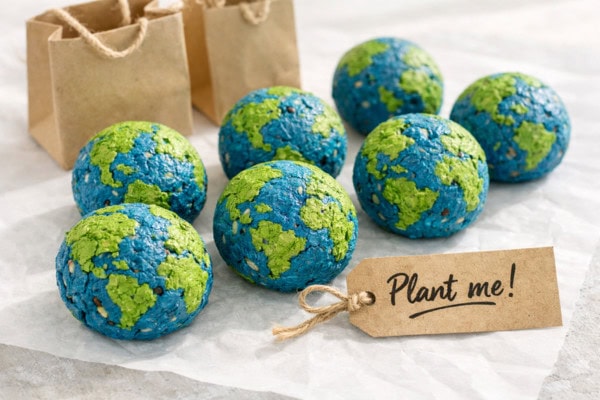
For a sweet Earth Day twist, press small patches of blue and green paper pulp onto the outside of each ball before it dries. Blue for the oceans, green for the land. It takes about 30 extra seconds per bomb and transforms them from a simple craft into something that looks genuinely special. These make fantastic Earth Day party favors or gifts for teachers, neighbors, and friends. Tuck a few into a small paper bag with a little tag that says “Plant me!” and you have a gift that keeps growing long after Earth Day is over.
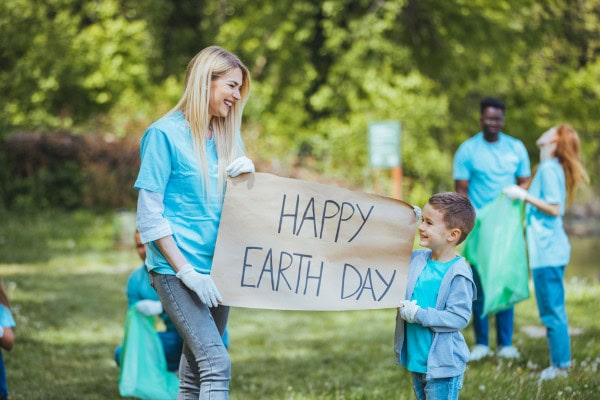
Making Seed Bombs as a Group Activity
Seed bombs are one of those rare activities that works just as well with two kids as it does with twenty. If you’re running them as a classroom activity or Earth Day event, set up a simple assembly line: one station for mixing, one for rolling, and one for drying. Assign each station a job and rotate kids through so everyone gets a turn at every step.
For a fun competitive twist, challenge kids to see who can roll the most perfectly round bomb. Or set a timer and see how many the group can make together. The activity has a natural built-in excitement because every single bomb will eventually become a real patch of flowers. That’s a pretty motivating thought for kids who love watching things grow.
Tips for the Best Seed Bombs
1. Choose native wildflower seeds: Always use seeds that are native to your area. Introducing non-native plants can disrupt local ecosystems, so check seed packets carefully or look for a local wildflower mix at your garden center.
2. Don’t add too much water: The biggest mistake with seed bombs is making the mixture too wet. Add water slowly, a little at a time, and stop as soon as everything holds together. Too much water makes them gooey and hard to roll.
3. Let them dry completely before tossing: Tossing a seed bomb that hasn’t fully dried can cause it to fall apart on impact. Leave them a full 24 hours minimum, or longer if you’re in a humid area. They should feel hard and solid before use.
4. Store extras in a cool, dry place: Seed bombs can be stored in an airtight container in a cool dark spot for up to 6 months to a year. Make a big batch and keep some on hand for gifts, or save them for a later planting season.
5. Set up outside if you can: This activity is wonderfully messy. If the weather allows, take it outdoors so cleanup is as simple as a garden hose. Kids are much more relaxed about getting their hands dirty when they’re already outside.
6. Use a mold for fun shapes: Small silicone molds can turn seed bombs into hearts, stars, or flowers. This works especially well with the paper pulp method and makes them extra gifting-worthy. Just pack the mixture in firmly and let them dry fully before popping out of the mold.
7. Pair with a watering activity: After tossing your seed bombs, give kids responsibility for watering the spot over the following weeks. Watching for sprouts and tracking growth turns a one-day activity into an ongoing science lesson they actually care about.
Earth Day seed bombs are one of those activities kids remember long after the day is over, especially the moment they spot the first tiny green shoot pushing through the soil. They’re easy to make, hard to mess up, and meaningful in a way that a lot of crafts just aren’t. Gather your clay, grab a wildflower seed mix, and let the kids get their hands wonderfully dirty this Earth Day. The flowers will thank them for it.