Family Trivia Night
There is something magical about gathering the family around a table, turning off the screens, and letting laughter take over. Family Trivia Night is an easy, affordable way to create those moments. Whether your crew includes competitive teens, curious youngsters, or grandparents with a world of stories, trivia brings everyone together.
We have hosted more family game nights than I can count, and survived the kids arguing over answers. I promise you practical steps, quick set up, and plenty of ideas to keep the night lively and low stress.
Think of Family Trivia Night as an excuse to celebrate what makes your family unique. You will learn, you might tease each other, and you will certainly make memories. Read on for everything you need, clear step by step instructions, and fun variations so you can tailor the night to your family style.
What You Need
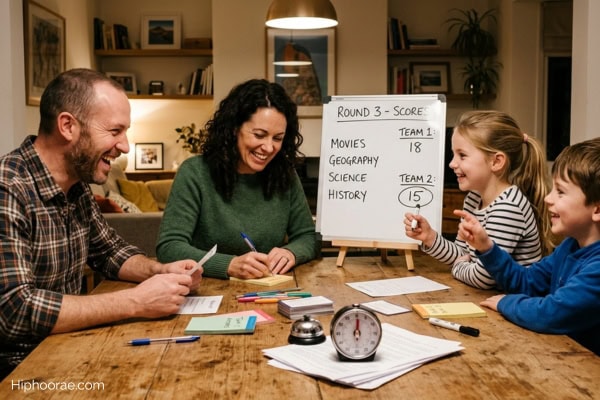
You do not need a lot to host a successful Family Trivia Night. The goal is low fuss and maximum fun. Here is a short checklist to get started:
- A list of trivia questions. These can be themed or mixed. I include ideas below.
- Paper and pens for teams or a whiteboard and markers for a host scorekeeper.
- A timer. A phone or kitchen timer works perfectly.
- A simple prize or two. Prizes can be silly, sentimental, or edible.
- A comfortable space for everyone to sit and chat. Snacks always help keep energy up.
- Optional items that elevate the experience:
- A printable answer sheet for each team.
- A microphone for the host if your group is large and noisy.
- A themed background playlist to set the mood, played quietly without overpowering conversation.
How to Play
Below are easy, step by step instructions to run a Family Trivia Night that feels organized but not rigid. I include options for small families and larger gatherings so you can adapt quickly.
Step 1. Plan the structure
Decide how many rounds you want. A good starting point is three to five rounds of five to ten questions each. Aim for a total game time of 45 to 90 minutes depending on attention spans.
Choose themes if you like. Examples: Family History, Pop Culture, Sports, Science for Kids, Picture Round, Name That Tune. Mix easy and medium questions with a couple of stretch questions to keep it balanced.
Step 2. Assemble your questions
Write clear questions with one unambiguous answer. If an answer might be spelled differently, list acceptable variations.
Include a mix of question types: multiple choice, true or false, fill in the blank, and one challenge question where teams can wager points.
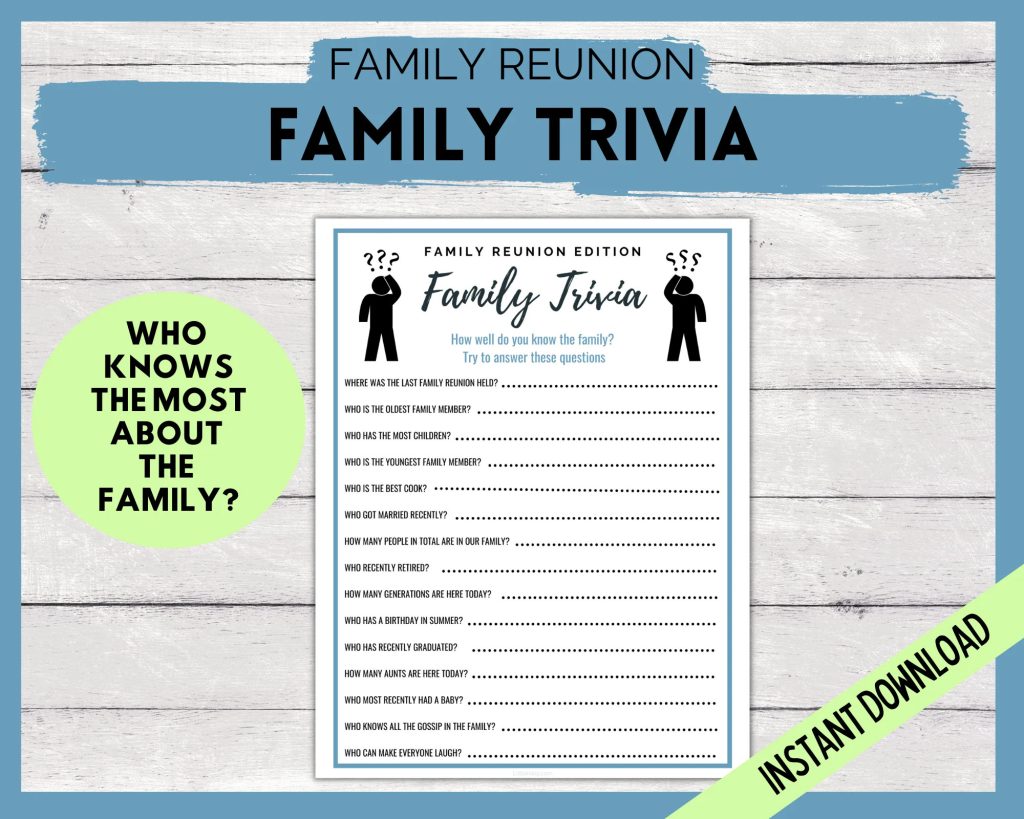
If you want a personal family touch, add questions based on family trivia like “What city did Mom and Dad meet in” or “Who in the family makes the best pancakes?” These always get laughs.
Step 3. Form teams
Teams of two to four are ideal. If you have just four people, two teams of two works well. If your family is large, create mixed-age teams so younger kids are paired with adults.
Encourage light-hearted team names. This creates camaraderie and a few extra laughs.
Step 4. Explain the rules
Announce how many rounds there will be, how long teams have to answer each question, and how scoring works. Example: one point per correct answer, two points for a correct wager question.
Set rules about consulting phones. Decide whether phones are allowed for looking up answers. My suggestion is to disallow them for fairness and flow, but you could have a “phone lifeline” where a team can use a phone once per game.
Step 5. Run each round
Read each question clearly. If teams are writing answers, set a timer for each question. For faster rounds, allow 20 to 30 seconds per question. For more thoughtful questions, 45 to 60 seconds is fine.
After time is up, collect answers or have teams hold them up. Go over the correct answer and keep the pace lively. Share a short anecdote for interesting answers to make the night feel warm and personal.
Step 6. Scorekeeping
Keep a visible scoreboard so everyone can see standings. This keeps the competitive spirit friendly and transparent.
If you prefer, rotate the scorekeeper role between rounds so everyone gets a turn to relax or host.
Step 7. End with flair
Finish with a tie-breaker if needed. A quick lightning round of five rapid questions works great here. Make the tie-breaker silly or high stakes depending on your family vibe.
Present prizes and take a family photo. Capture the moment to remind everyone how much fun you had.
Tips for Making It Fun
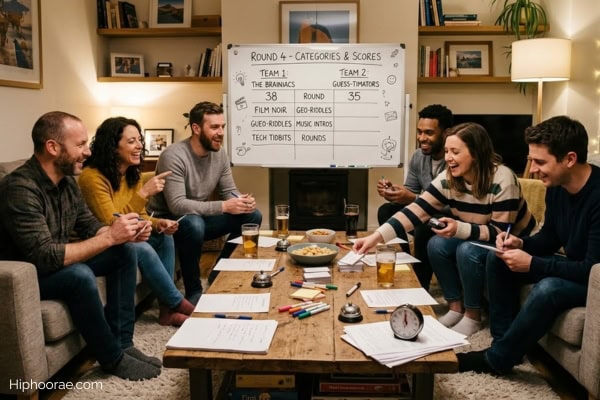
From one family host to another, here are practical tips that make trivia nights feel effortless and joyful.
1. Keep it bite sized
Attention spans vary, so shorter rounds with frequent breaks keep momentum. Plan a 5 minute snack break after every two rounds if you expect restless kids.
2. Use humor and stories
When a question references a family memory, share a quick story. These small tales make the game feel intimate and reinforce family bonds.
3. Balance the difficulty
Mix easy, medium, and hard questions. No one likes a quiz that feels impossible. Include at least half the questions that most people can answer to keep confidence high.
4. Encourage teamwork
Remind teams to listen to each other. Younger family members often have surprising knowledge, and letting them contribute boosts confidence and engagement.
5. Keep rules flexible
If a question causes debate, resolve it quickly. A common approach is to accept both answers if they are reasonable or award half points and move on. The goal is connection not contention.
6. Make the prize meaningful
Prizes do not need to be costly. A crown made of paper for the winning team, the right to pick the next family movie, breakfast in bed, or a homemade coupon book can be much more rewarding than store-bought gifts.
7. Play with food
Turn a round into an edible challenge where the losing team has to eat a funny, safe food or the winners pick a snack for everyone. Keep it inclusive and safe for dietary needs.
8. Rotate hosts
Let different family members host rounds. Kids love the responsibility and it keeps the energy fresh. Provide a simple host script so new hosts feel confident.
9. Record and celebrate
Keep a small family trivia ledger with winners and memorable questions. It becomes a storybook you can revisit and add to each year.
Variations
One of the best things about Family Trivia Night is how easily it adapts. Below are variations to suit different ages, group sizes, or moods. Pick one or combine several for a custom experience.
Classic Trivia
Follow the instructions above with mixed-topic questions. Great for balanced groups and first-time hosts.
Theme Night
Choose one theme for the whole evening. Examples: 90s Nostalgia, Science and Nature, Sports Legends, or a Family History Night. Dress the theme with music, decorations, and themed snacks.
Picture Round
Show images on a screen or printed cards. Questions can be “Name this landmark” or “Whose baby photo is this?” Visuals work well with younger kids and spark conversation.
Name That Tune
Play short clips of songs and have teams guess the title or artist. You can make a family-friendly list that spans generations to keep everyone involved.
Speed Round
Use a buzzer or have teams shout their team name. First correct answer wins the point. This adds energy and gives quick thinkers a chance to shine. Make sure to moderate to avoid chaos.
Family History Edition
Create questions about your own family’s past. This is a gentle way to teach younger members about relatives and traditions while creating new stories.
Reverse Trivia
Teams are given answers and must come up with the question. This variation encourages creativity and can result in funny, memorable responses.
Charity Trivia
Make the stakes bigger by connecting winners to a cause. The winning team gets to choose a charity the family will donate to or volunteer for. This adds meaning and models generosity.
All-ages Mix
For groups with wide age ranges, split questions into “kid-friendly” and “grown-up” categories, and rotate who answers. This keeps everyone included and proud of their strengths.
Family Trivia Night is one of those activities that is simple to set up and rich in payoff. You will walk away with laughter, little victories, and perhaps a few new family stories. The real win is the time spent together. Host it often, try different variations, and let the game evolve with your family. The most important rule is to keep it friendly, flexible, and fun. If a round goes off the rails, laugh it off, and that will likely become your favorite memory from the night.
So gather the papers and pens, whip up some snacks, and pick your first round of questions. Whether your family is full of trivia masters or you are all just there for the snacks, Family Trivia Night is a perfect way to celebrate connection, curiosity, and the joy of being together. Hip Hooray to many cozy, silly, and victorious game nights ahead.